

 Tiếng Việt
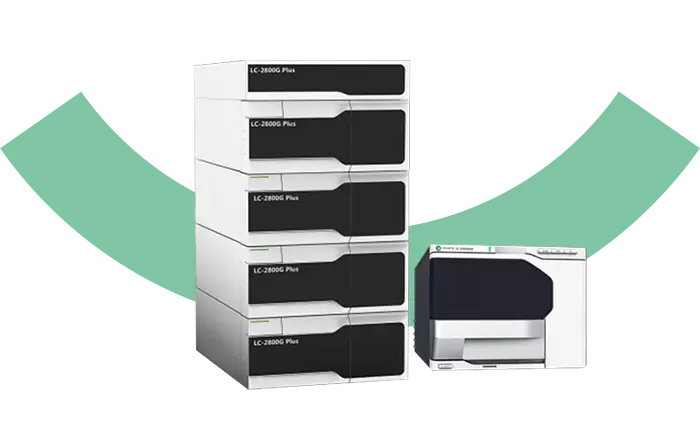
Conoma LC2800G Plus RoHS 2.0 Analysis Machine
Explore the optimal solution for RoHS 2.0 analysis machine using HPLC technology (Conoma LC-2800G Plus). Accurately analyze and quantify 4 regulated Phthalates (DEHP, BBP, DBP, DIBP) to ensure global market access for electronic products.
Product Information
Comprehensive Solution: RoHS 2.0 Analysis Machine Using HPLC Technology
In today’s global supply chain, environmental compliance is no longer optional—it is a mandatory ticket to entry. The RoHS 2.0 directive (Restriction of Hazardous Substances) stands as one of the most stringent regulations for electrical and electronic equipment (EEE). To navigate these complex requirements, choosing the right RoHS 2.0 analysis machine integrated with HPLC technology is the most effective strategy for manufacturers and testing laboratories.
The Evolution of RoHS 2.0 and Modern Challenges
The transition from the original RoHS to RoHS 2.0 (Directive 2011/65/EU) and its subsequent amendment (EU) 2015/863 has significantly widened the scope of regulated substances. While traditional XRF (X-ray Fluorescence) scanners are excellent for detecting heavy metals like Lead or Cadmium, they fall short when it comes to organic compounds.
The “RoHS 10” now includes four specific Phthalates that are widely used as plasticizers in cables, connectors, and insulating materials:
- Bis(2-ethylhexyl) phthalate (DEHP)
- Butyl benzyl phthalate (BBP)
- Dibutyl phthalate (DBP)
- Diisobutyl phthalate (DIBP)
Because these substances are structurally similar to the plastics they inhabit, they require a sophisticated separation technique. This is where a dedicated RoHS 2.0 analysis machine powered by HPLC becomes indispensable.
Why HPLC is the Gold Standard for RoHS 2.0 Compliance
HPLC (High-Performance Liquid Chromatography) offers a unique balance of sensitivity, precision, and cost-effectiveness for detecting restricted organic substances.
1. Superior Separation Power
The primary advantage of using an HPLC system is its ability to separate complex mixtures into individual components. When analyzing a circuit board or a plastic housing, the “matrix” (the background material) is incredibly noisy. An HPLC column effectively isolates the four Phthalates from other additives, ensuring that the measurement is specific and free from interference.
2. High Sensitivity for Trace Analysis
RoHS 2.0 sets a strict limit of 0.1% (1000 ppm) by weight for each restricted substance. A high-quality RoHS 2.0 analysis machine must be able to detect these chemicals well below the limit to provide a safety margin. Modern HPLC detectors provide the high sensitivity required to quantify trace levels accurately, ensuring your products never face a recall due to “borderline” results.
3. Cost-Efficiency for Internal Labs
While GC-MS (Gas Chromatography-Mass Spectrometry) is another valid method for RoHS testing, it often comes with much higher acquisition and maintenance costs. For many electronic manufacturers establishing an in-house QC lab, HPLC provides the necessary compliance data with a much faster return on investment (ROI) and lower consumption of expensive carrier gases.
Spotlight on Technology: The Conoma LC-2800G Plus
Among the specialized equipment available, the Conoma LC-2800G Plus has emerged as a leading RoHS 2.0 analysis machine. It is specifically engineered to handle the rigors of industrial testing.
- Tailored Software Solutions: The system utilizes the JHT test V software, which includes pre-set methods specifically for the 4 Phthalates. This “turnkey” approach means operators do not need to be PhD-level chemists to produce reliable results.
- Stability and Reliability: The LC-2800G Plus features a high-pressure infusion system that ensures a stable flow rate, which is critical for reproducible results. Its automated plunger cleaning function significantly extends the life of the seals, reducing downtime in busy factories.
- Real-Time Safety Monitoring: Safety is paramount in a chemical environment. The machine includes built-in leak sensors and over-pressure protection, allowing it to run large batches of samples (especially when equipped with an autosampler) with minimal supervision.
The Testing Workflow: From Raw Material to Compliance Report
Implementing an HPLC system for RoHS 2.0 involves a standardized process to ensure data integrity:
- Sample Preparation: The solid electronic component is ground into a fine powder and dissolved in a solvent like Tetrahydrofuran (THF) or Methanol.
- Extraction: The target Phthalates are extracted from the plastic matrix using ultrasonic baths or specialized extraction units.
- Filtration: To protect the HPLC column, the liquid sample is filtered to remove any micro-particles.
- Injection and Analysis: The sample is injected into the RoHS 2.0 analysis machine. The HPLC column separates the chemicals, and the UV-Vis detector records the concentration of each Phthalate.
- Reporting: The software automatically compares the found concentration against the 1000 ppm limit and generates a Pass/Fail report.
Conclusion
As environmental regulations continue to evolve, having a robust RoHS 2.0 analysis machine is a critical asset for any electronics business. By leveraging HPLC technology, companies can ensure their products meet international standards, protect their brand reputation, and contribute to a greener planet. Whether you are a component manufacturer or an assembly plant, systems like the Conoma LC-2800G Plus provide the precision and ease of use needed to stay compliant in a competitive market.
Be the first to review “Conoma LC2800G Plus RoHS 2.0 Analysis Machine”
Related products
HALOGEN FREE
CHROMIUM TESTER





Reviews
There are no reviews yet.