

 Tiếng Việt
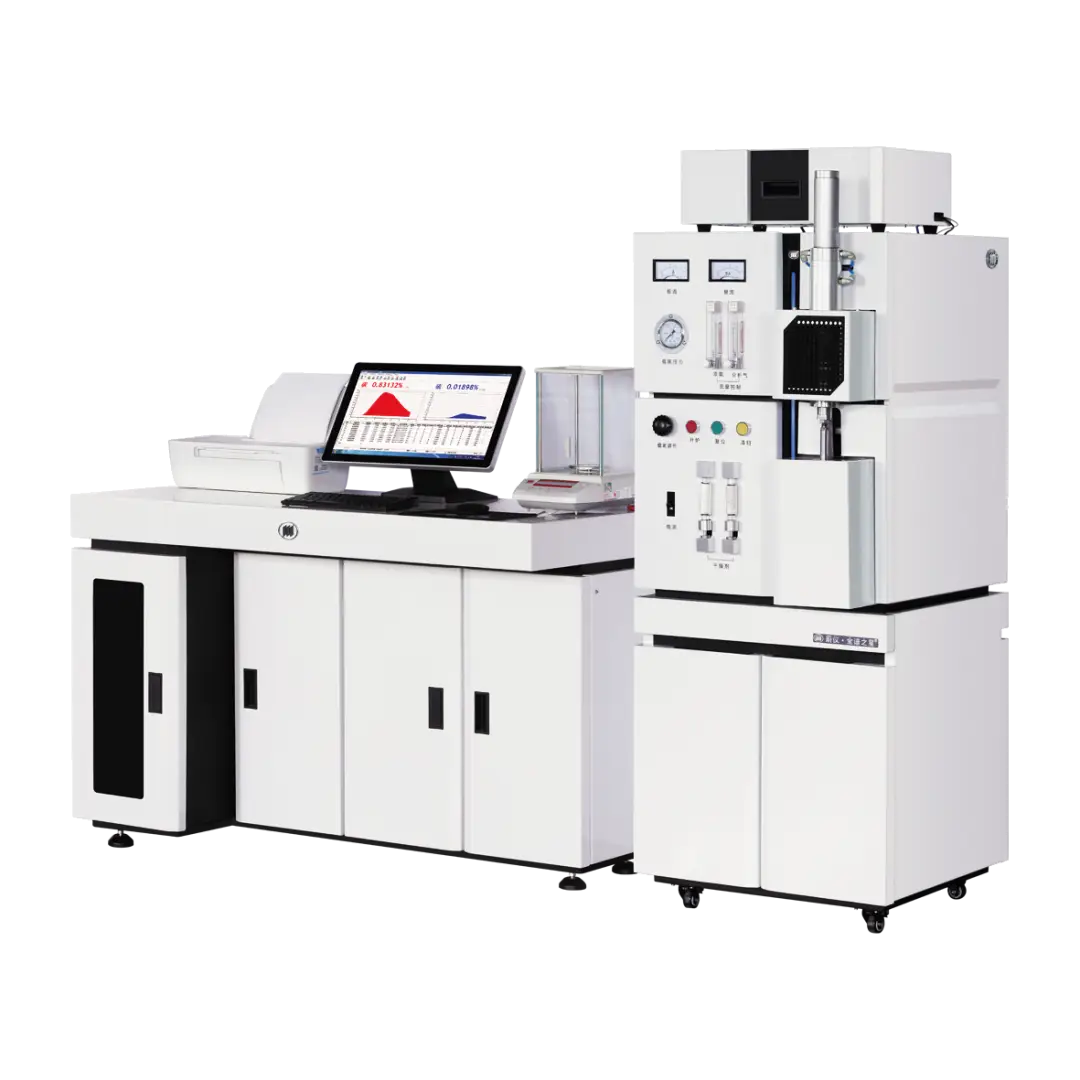
WY-9100 Carbon – Sulfur Analyzer
The Carbon – Sulfur analyzer WY-9100 utilizes advanced high-frequency infrared combustion technology to deliver precise test results within 60 seconds. It is the perfect quality control solution for metallurgy, mining, and advanced materials. Discover it now!
Product Information
Carbon – Sulfur Analyzer WY-9100: The Ultimate Solution for Material Quality Control
In heavy industries such as metallurgy, foundry manufacturing, mining, and advanced material production, determining the exact elemental composition of raw materials is vital to the quality of the final product. Among these elements, Carbon (C) and Sulfur (S) are key components that directly dictate the tensile strength, durability, and mechanical properties of steel and alloys. To solve the challenge of rapid and highly accurate testing, the Carbon – Sulfur analyzer WY-9100 stands out as the top-tier technical equipment preferred by laboratories worldwide.
This article provides a comprehensive look into the operating principles, outstanding benefits, and reasons why your business should invest in this high-end analytical instrument.
1. Operating Principle of the Carbon – Sulfur Analyzer WY-9100
The WY-9100 equipment operates based on the most advanced method available today: High-frequency induction furnace combustion and infrared detection.
The entire analytical process is fully automated and follows strict technical phases:
- The Combustion Stage: The solid sample is placed in a specialized ceramic crucible, combined with accelerators (such as Tungsten and Copper flux), and then introduced into the high-frequency furnace. Under a stream of high-purity Oxygen gas, the temperature inside the furnace rises rapidly. This extreme heat breaks the molecular bonds, completely oxidizing Carbon into Carbon Dioxide () and Sulfur into Sulfur Dioxide ().
- The Detection Stage: The resulting gas mixture is guided through a rigorous dust filtration and moisture removal system before entering the infrared absorption cells. Based on the scientific law that each gas absorbs infrared light at a specific wavelength, the ultra-sensitive pyroelectric sensors measure the attenuation of the light beam. The system then automatically calculates the precise percentage of Carbon and Sulfur present in the initial sample.
2. Outstanding Technical Features of the WY-9100
It is no coincidence that the Carbon – Sulfur analyzer WY-9100 has become an indispensable asset in modern physical and chemical testing centers. The device incorporates several major technological innovations:
- Ultra-Fast Analysis Speed: The processing time for a complete test cycle takes only 20 to 60 seconds. This remarkable speed allows businesses to accelerate their sample inspection workflows and optimize factory production efficiency.
- Wide Measuring Range and High Precision: The machine can analyze samples ranging from ultra-low trace amounts (ppm level) to very high percentages with minimal margin of error, strictly satisfying international ISO standards.
- Smart Automation System: The instrument connects directly to an electronic analytical balance. It automatically transfers the sample weight data to the dedicated software, completely eliminating human errors caused by manual typing.
- Durability and Long-Term Stability: The core optical cells and the infrared light source are manufactured from premium materials. This ensures the machine can operate continuously 24/7 in harsh industrial environments without signal drift.
3. Real-World Applications in Industrial Sectors
Thanks to its versatility and high reliability, this Carbon – Sulfur analyzer is widely implemented across numerous crucial fields:
- Metallurgy and Foundry: Inspecting the elemental grades of cast iron, carbon steel, alloy steel, and incoming scrap metals to manage the quality of the melt before tapping.
- Mining and Minerals: Determining the sulfur and carbon content in raw ores and concentrated materials for accurate commercial pricing and trading.
- Energy and Geology: Verifying the structural composition of coal, petroleum products, rocks, and various geological sediment samples.
- Advanced Materials: Analyzing high-tech ceramics, cement, glass, and specialized refractory materials.
4. Maintenance Guide for Peak Performance
To maintain the maximum lifespan and sensitivity of this high-frequency Carbon – Sulfur analyzer, operators should pay close attention to the following maintenance routines:
- Regular Combustion Chamber Cleaning: Burning samples at extreme temperatures inevitably generates metallic dust. Activating the automatic dust blowing system and manually cleaning the quartz tube on a regular basis is mandatory.
- Consumables Management: Always monitor the state of the gas filtration reagents (moisture absorbers and chemical filters) and replace them promptly to avoid contaminating the internal gas pathways.
- High-Purity Gas Supply: The Oxygen carrier gas must have a minimum purity grade of 99.995% to prevent background noise and ensure accurate baselines.
Conclusion
Investing in a high-frequency Carbon – Sulfur analyzer system like the WY-9100 is a strategic step toward standardizing your quality control (QC) protocols, boosting brand credibility, and minimizing product defect rates.
Be the first to review “WY-9100 Carbon – Sulfur Analyzer”
Related products
SPECTROMETER
SPECTROMETER
SPECTROMETER
SPECTROMETER
SPECTROMETER
SPECTROMETER






Reviews
There are no reviews yet.