

 Tiếng Việt
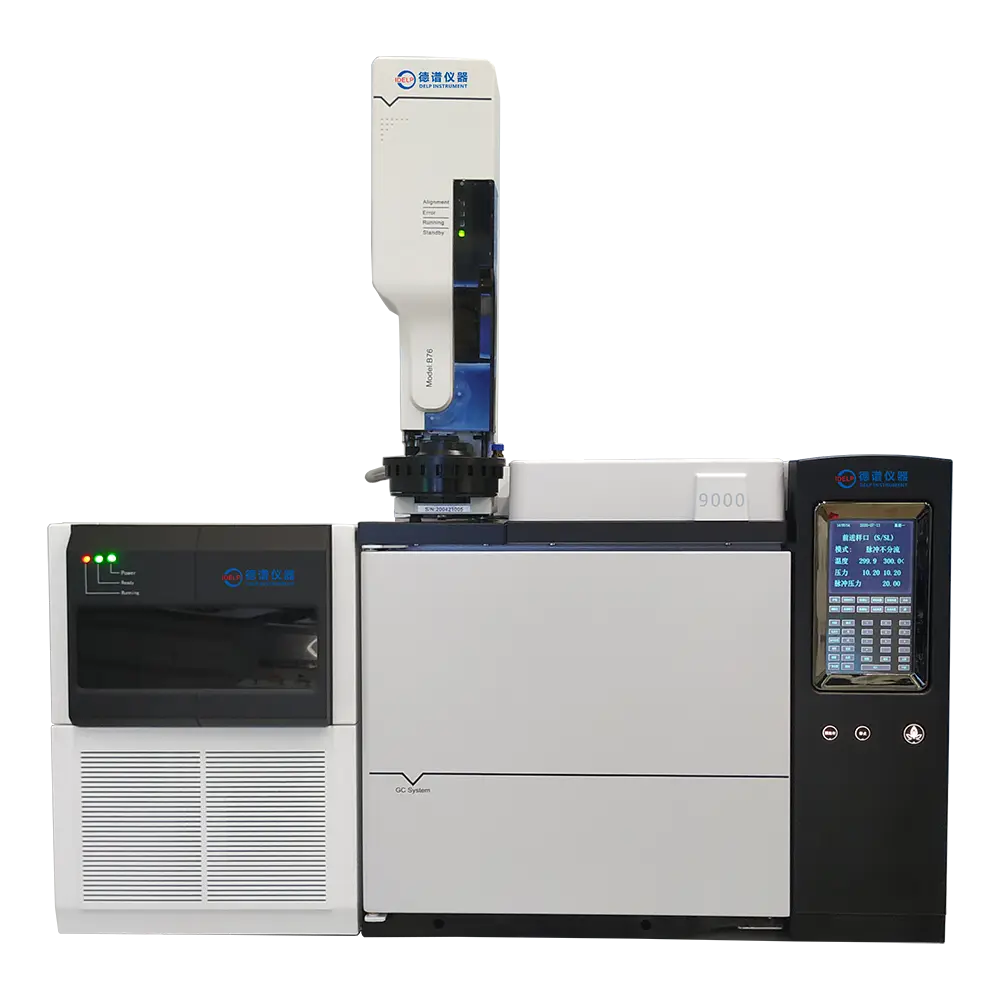
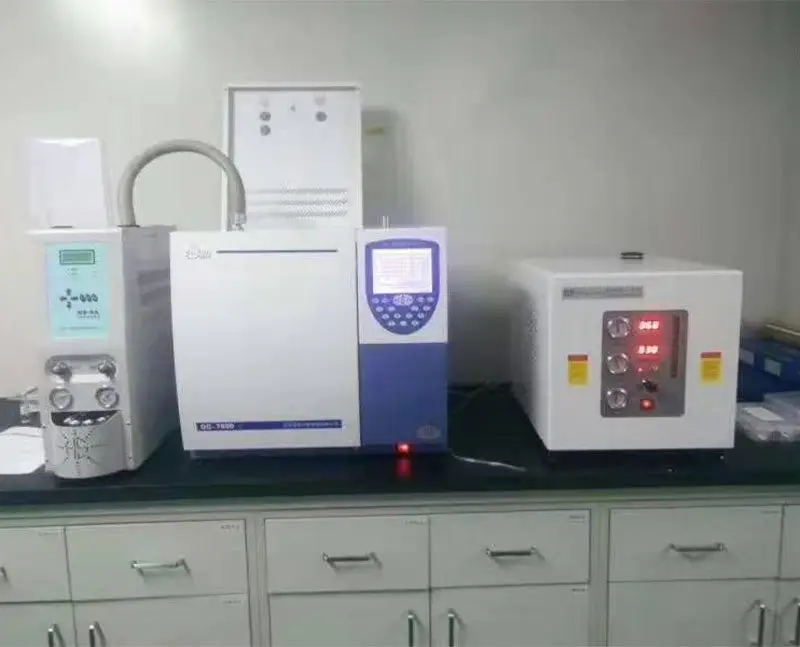
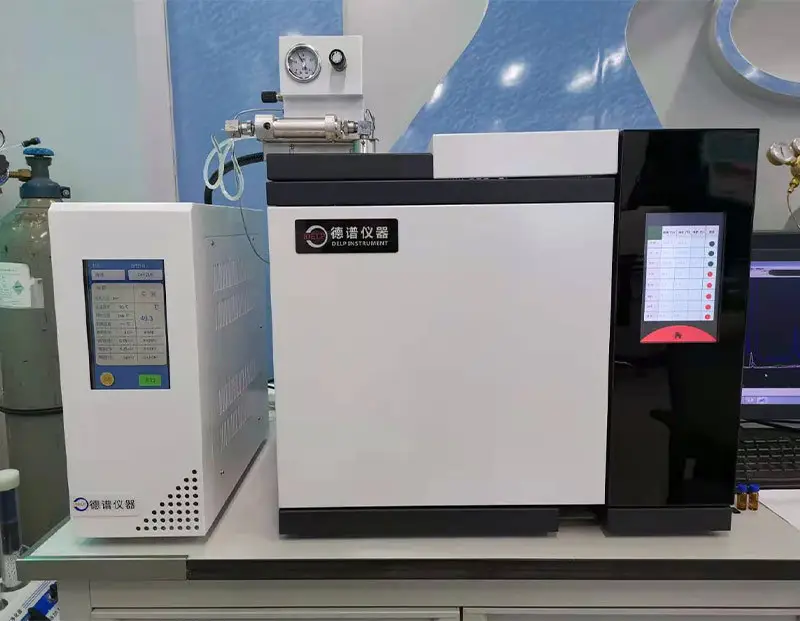
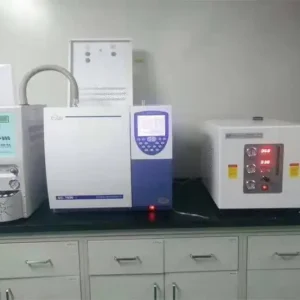
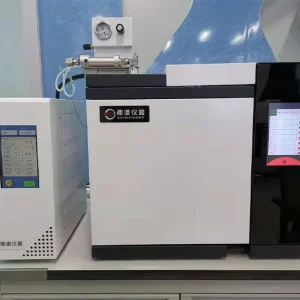
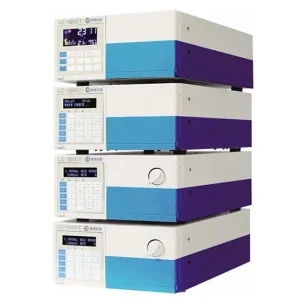
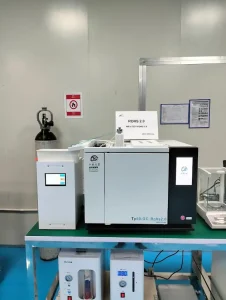
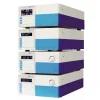
GCMS-9000 Gas Chromatography-Mass Spectrometry (GC-MS) technology
Discover how Gas Chromatography-Mass Spectrometry (GC-MS) technology on the Delp Instruments GCMS-9000 delivers rapid, precise Phthalates analysis for RoHS 2.0.
Product Information
Gas Chromatography-Mass Spectrometry (GC-MS): The Golden Key for Passing RoHS 2.0 Barriers
In the modern industrial manufacturing era, complying with strict international environmental regulations like RoHS 2.0 is a mandatory passport for goods entering the European Union (EU) market. Ever since this directive expanded its scope to restrict 4 hazardous phthalate plasticizers (DIBP, DBP, BBP, and DEHP), traditional rapid screening tools such as X-ray Fluorescence (XRF) spectrometers have fallen short. Today, gas chromatography-mass spectrometry (GC-MS) technology stands out as the ultimate and most accurate solution chosen by laboratories and manufacturing plants worldwide.
This article delivers an in-depth analysis of the gas chromatography-mass spectrometry technique through the lens of the specialized GCMS-9000 system developed by Delp Instruments.
1. What Is Gas Chromatography-Mass Spectrometry (GC-MS)?
Gas chromatography-mass spectrometry (abbreviated as GC-MS) is an advanced analytical technique that seamlessly couples two distinct chemical identification methods: Gas Chromatography (GC) and Mass Spectrometry (MS).
- The Gas Chromatography (GC) System: This unit functions as a highly efficient physical separation engine. Once a sample is vaporized, it is swept into a capillary chromatographic column by a continuous stream of inert carrier gas. Due to varying physical and chemical interactions with the column’s internal coating, different components within the complex mixture travel at different velocities, causing them to separate completely over time.
- The Mass Spectrometry (MS) System: This component acts as a high-precision digital identifier. As individual compounds emerge from the GC column sequentially, they enter the mass spectrometer’s ionization chamber to be bombarded by electrons. The fragmented ions are then filtered through a mass analyzer (typically a Quadrupole) based on their mass-to-charge ratio (
). This creates a unique chemical fingerprint (mass spectrum) for definitive identification and quantitative calculation.

By combining these two processes, the gas chromatography-mass spectrometry method grants analytical labs the dual power to isolate volatile organic compounds in intricate matrices and quantify them down to trace levels (parts per million – ppm, or parts per billion – ppb).
2. The Crucial Role of GC-MS in RoHS 2.0 Testing
The RoHS 2.0 directive poses a major technical hurdle for electronics, cable, and plastic manufacturers because phthalate plasticizers dissolve deeply within the polymer matrix. They cannot be detected by superficial surface scans.
By leveraging the GCMS-9000 from Delp Instruments—a machine powered by specialized gas chromatography-mass spectrometry—the compliance process for RoHS 2.0 becomes highly streamlined:
- Flawless Separation of Phthalates: Even though restricted phthalate compounds share nearly identical molecular structures, gas chromatography-mass spectrometry easily isolates them into clean, distinct chromatographic peaks.
- Unrivaled Sensitivity and Precision: The detection limits of this method far exceed the strict regulatory thresholds set by the EU, allowing manufacturers to confidently export goods without worrying about costly customs rejections.
3. Operational Breakthroughs of the Delp Instruments GCMS-9000
While traditional, research-grade gas chromatography-mass spectrometry systems are incredibly powerful, they are historically notorious for being highly expensive, complex to operate, and demanding hours of toxic chemical solvent extraction. To solve this economic and operational bottleneck for factories, Delp Instruments engineered the GCMS-9000 with factory-focused innovations:
- Integrated Pyrolysis (Thermal Desorption): Instead of soaking plastic samples in hazardous solvents for hours, this specialized gas chromatography-mass spectrometry setup allows users to cut solid samples directly and drop them into a thermal desorption unit. The sample flash-volatilizes and moves straight into the GC column.
- Ultra-Fast Analysis Speed: The entire quantitation cycle for the 4 targeted RoHS 2.0 phthalates is cut down to roughly 20 minutes per sample. This rapid turnaround perfectly satisfies the high-volume demand of factory IQC/QC departments.
- Tailored, User-Friendly Software: Operators do not need a Ph.D. in analytical chemistry to run tests. The software accompanying the GCMS-9000 is pre-programmed with built-in standard methods for the 4 phthalates, automatically yielding direct “Pass” or “Fail” reports.
4. Conclusion
Investing in a gas chromatography-mass spectrometry system like the Delp Instruments GCMS-9000 goes beyond buying lab equipment; it is about establishing a foolproof shield for your business against international regulatory risks. Its cost-effective design, rapid processing capability, and absolute precision make this technology the undisputed gold standard in environmental compliance testing today.
Be the first to review “GCMS-9000 Gas Chromatography-Mass Spectrometry (GC-MS) technology”
Related products
-8%
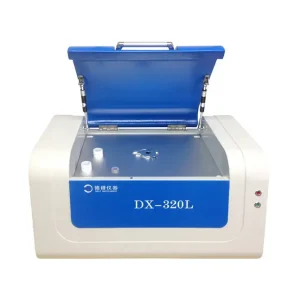
XRF - ROHS MACHINE
Original price was: 400.000.000 ₫.370.000.000 ₫Current price is: 370.000.000 ₫.
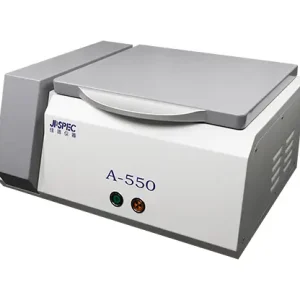
XRF - ROHS MACHINE
XRF - ROHS MACHINE
XRF - ROHS MACHINE
XRF - ROHS MACHINE
XRF - ROHS MACHINE
XRF - ROHS MACHINE
XRF - ROHS MACHINE





Reviews
There are no reviews yet.