

 Tiếng Việt
-8%
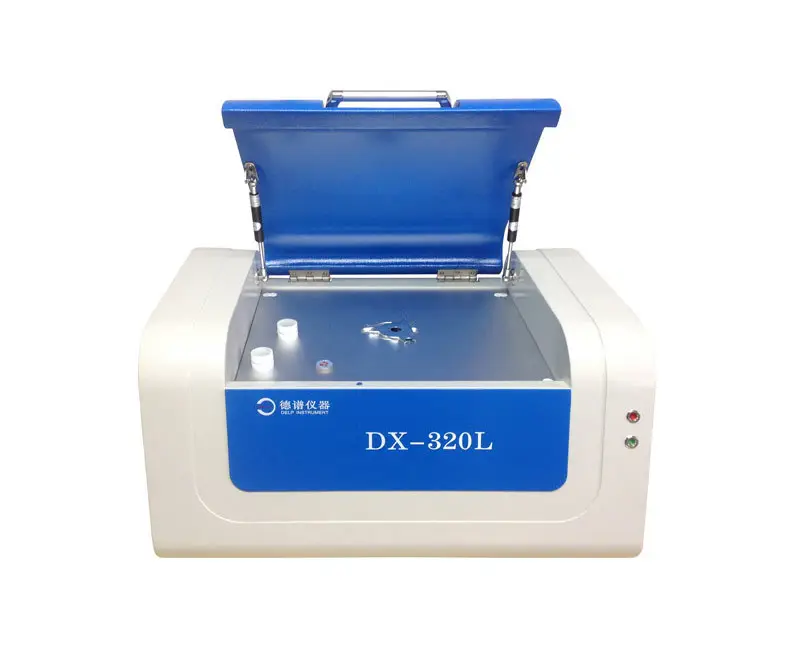
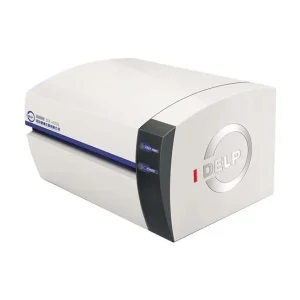
DX-320L XRF Machine
The DX-320L XRF instrument is a specialized X-ray fluorescence (XRF) spectrometer for heavy metal analysis and RoHS compliance testing.
Product Information
Comprehensive Review of the DX-320L XRF Machine: The Ultimate Solution for RoHS and Halogen Compliance
In today’s global manufacturing landscape, adhering to environmental safety standards is no longer optional—it is a prerequisite for market entry. As international regulations like RoHS (Restriction of Hazardous Substances) and Halogen-free requirements become more stringent, electronic and industrial manufacturers require highly precise analytical tools. The XRF Machine DX-320L, developed by DELP Instrument, has emerged as a premier solution, blending high-end German-engineered technology with cost-effective production.
1. What is the DX-320L XRF Machine?
The DX-320L is a specialized Energy Dispersive X-ray Fluorescence (EDXRF) spectrometer, commonly referred to as an XRF Machine. It is designed specifically to detect heavy metals and hazardous elements in various materials. By utilizing X-ray technology, this XRF Machine identifies the elemental composition of a sample by measuring the fluorescent X-rays emitted from the material when it is excited by a primary X-ray source.
For modern enterprises, this XRF Machine serves as a “gatekeeper” in the quality control process, ensuring that every component—from the smallest resistor to the largest plastic housing—complies with global environmental directives such as RoHS 2.0, WEEE, and REACH.
2. Technical Excellence of the DX-320L
The performance of an XRF Machine is defined by its hardware precision. The DX-320L boasts technical specifications that rival many high-priced competitors:
-
- Elemental Detection Range: Capable of analyzing elements from Sodium (Na) to Uranium (U).
- High-Resolution Detector: Equipped with an electro-cooled Si-Pin semiconductor detector. This technology allows the XRF Machine to achieve a resolution of 139±5eV, ensuring that energy peaks of different elements are clearly separated and identified.
- Powerful X-Ray Tube: With a voltage range of 10KV to 50KV and a current of up to 1000µA, this XRF Machine provides deep penetration for dense materials.
- Low Detection Limits (LOD):
-
- Cadmium (Cd), Chromium (Cr), Mercury (Hg), and Bromine (Br): ≤ 1 ppm.
- Lead (Pb): ≤ 2 ppm.
- Chlorine (Cl): ≤ 5 ppm.
-
- Rapid Testing Cycles: The XRF Machine delivers stable results within 100 to 200 seconds, significantly speeding up the production line inspection process.
3. Why the DX-320L XRF Machine Stands Out
Specialized Halogen Testing
Unlike standard entry-level models, this XRF Machine features a high-power optical tube and a specialized fiber system specifically optimized for Halogen elements. This allows the DX-320L to detect Chlorine (Cl) and Iodine (I) with much higher sensitivity, making it the perfect XRF Machine for companies aiming for “Halogen-Free” certification in their plastics and coatings.
Non-Destructive Testing (NDT)
One of the greatest advantages of using this XRF Machine is that it is entirely non-destructive. Unlike wet chemistry methods that require dissolving the sample in acid, the XRF Machine analyzes the sample in its original state. Whether it is a finished smartphone or a raw polymer pellet, the sample remains intact and usable after the test, eliminating material waste.
Intelligent and User-Friendly Software
The DX-320L comes with proprietary analysis software that features a humanized interface. An integrated high-definition CCD camera allows operators to see the sample clearly, ensuring that the XRF Machine is targeting the exact spot needed for analysis—a critical feature when measuring small solder joints or intricate jewelry pieces.
4. Key Applications Across Industries
The versatility of the DX-320L XRF Machine allows it to be used in numerous sectors:
-
- Electronics Industry: Checking for lead-free solder, hazardous flame retardants in PCBs, and ensuring all raw materials meet RoHS standards.
- Precious Metals and Jewelry: Using an XRF Machine is the fastest way to determine the purity (karat) of gold, silver, and platinum without the need for scratch tests or harmful chemicals.
- Plating and Coating Industry: This XRF Machine can measure the thickness and composition of metal platings, helping manufacturers control the quality of their finishing processes.
- Toy and Textile Safety: Detecting lead and other toxic stabilizers in paints, plastics, and fabrics to protect consumers and comply with safety regulations.
5. Safety and Reliability
Operating an XRF Machine involves X-ray radiation, which is why DELP Instrument has integrated a classic triple safety protection design. The hardware-software interlock system ensures that the XRF Machine will not emit any radiation unless the sample chamber is securely closed. Additionally, the optical tube heat dissipation system allows the machine to run for extended shifts without overheating, maintaining consistent accuracy throughout the day.
6. Maintenance and Best Practices
To ensure your XRF Machine remains accurate for years to come, follow these guidelines:
-
- Power Stability: Always use an Uninterrupted Power Supply (UPS). Fluctuations in voltage can damage the sensitive high-voltage supplier of the XRF Machine.
- Environment Control: Keep the XRF Machine in a temperature-controlled room (15°C – 28°C) with low humidity to prevent electronic drift.
- Regular Calibration: Periodically use the standard samples provided with the XRF Machine to verify its accuracy and recalibrate if necessary.
7. Conclusion
Investing in a high-quality XRF Machine like the DX-320L is a strategic move for any quality-conscious manufacturer. It provides a perfect balance of speed, precision, and safety. By integrating this XRF Machine into your workflow, you not only ensure legal compliance but also enhance your brand’s reputation for quality and environmental responsibility in the international market.
Be the first to review “DX-320L XRF Machine”
Related products
XRF - ROHS MACHINE
XRF - ROHS MACHINE
XRF - ROHS MACHINE
XRF - ROHS MACHINE
XRF - ROHS MACHINE
XRF - ROHS MACHINE
XRF - ROHS MACHINE
GCMS-9000 Gas Chromatography-Mass Spectrometry (GC-MS) technology
XRF - ROHS MACHINE





Reviews
There are no reviews yet.