
 Tiếng Việt
RoHS
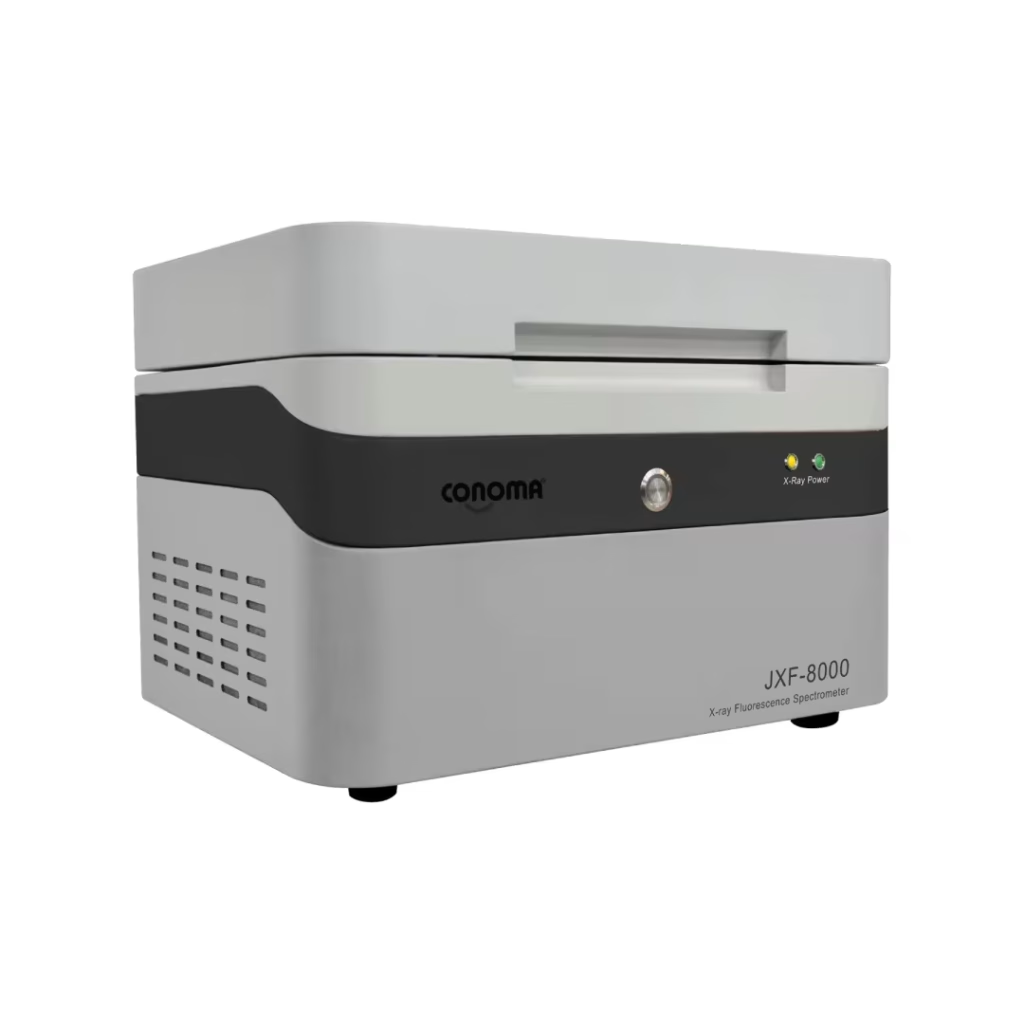
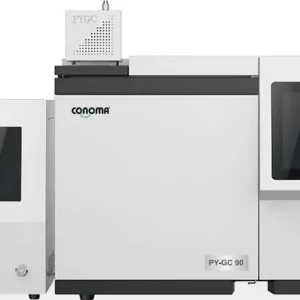
Investing in and implementing testing equipment for RoHS standards (from RoHS 1.0, RoHS 2.0 to the latest RoHS 3.0) plays a decisive role in helping manufacturing and exporting enterprises thrive in the green industrial era. These instruments are not only technical tools to precisely quantify restricted hazardous substances—such as Lead, Mercury, Cadmium, Hexavalent Chromium, PBB, PBDE, and 4 Phthalate plasticizers (DEHP, BBP, DBP, DIBP)—but also an absolute legal necessity for electronic components, plastics, and inks to seamlessly overcome strict technical barriers and access major international markets like the European Union (EU), the USA, and Japan. Equipping a laboratory with specialized analytical devices enables businesses to proactively control the quality of raw materials, minimize the risk of costly product recalls due to toxic contamination, and elevate brand reputation and competitive positioning. Furthermore, as environmental regulations increasingly tighten toward Halogen-Free and PFAS compliance, investing in modern testing technology is a sustainable solution that allows enterprises to stay ahead of expanded RoHS mandates, fulfill Corporate Sustainability goals (ESG), and protect global consumer health.