

 Tiếng Việt
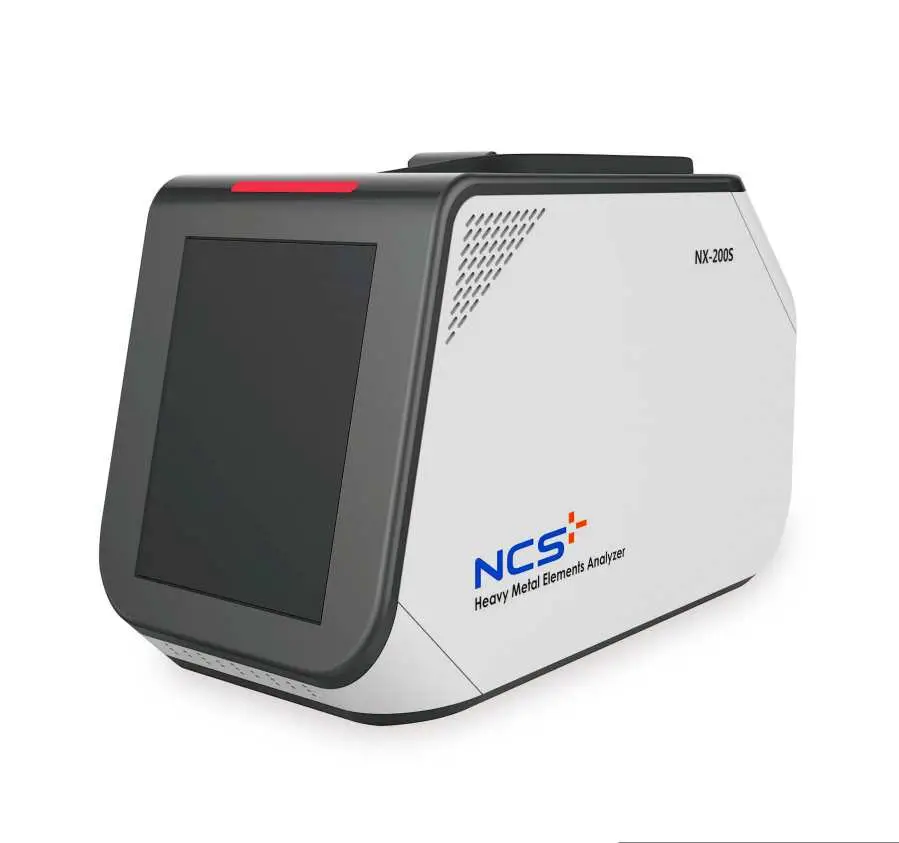
NX-200S Heavy Metal Analyzer for Soil
Looking for an accurate and fast heavy metal analyzer for soil? Discover how handheld XRF technology delivers instant, non-destructive on-site soil pollution testing.
Product Information
The Ultimate Guide to Choosing the Best Heavy Metal Analyzer for Soil
Soil pollution has become a critical challenge for environmental regulatory bodies, agricultural enterprises, and mining industries worldwide. To accurately assess contamination levels, having a fast, reliable on-site testing tool is no longer a luxury—it is an absolute necessity. Among the available market solutions, a heavy metal analyzer for soil utilizing portable X-ray Fluorescence (XRF) technology stands out as the gold standard for field environmental mapping.
This article explores why these devices have revolutionized soil contamination analysis and how you can select the right model for your project demands.
1. Why Do You Need a Heavy Metal Analyzer for Soil?
Natural soil possesses complex matrix structures that easily accumulate hazardous industrial toxins such as Cadmium (Cd), Lead (Pb), Mercury (Hg), Arsenic (As), and Chromium (Cr). Traditional laboratory testing methods typically require long waiting times (ranging from 3 to 7 days) and involve high logistical costs, slowing down critical decision-making processes.
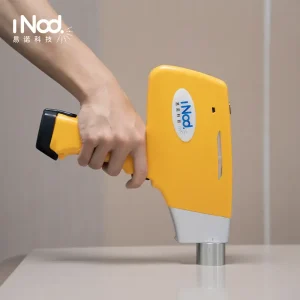
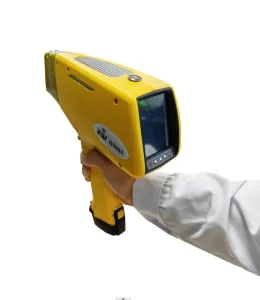
Utilizing a handheld heavy metal analyzer for soil brings exceptional operational advantages to field engineers:
- Instant Real-Time Results: The scanning and measurement process takes only 30 seconds to 3 minutes per sample.
- Non-Destructive Testing (NDT): The XRF technology preserves the integrity, physical structure, and mass of the soil sample after testing.
- Drastic Cost Reduction: It minimizes sample preparation logistics and expensive wet-chemistry laboratory fees.
- High Portability: The lightweight, ergonomic design allows engineers to conduct high-density grid surveys across vast geographical areas seamlessly.
2. Core Technical Features of Soil-Dedicated XRF Devices
Modern heavy metal analyzer for soil models are uniquely pre-calibrated with advanced Soil Matrix Algorithms. These built-in software models automatically compensate for background errors caused by soil moisture, particle size variations, or mineralogical structures.
Ultra-Low Limit of Detection (LOD)
For environmental compliance, the Limit of Detection is the most vital metric. Next-generation instruments—such as those manufactured by NCS Testing Technology (like the NX-200S model) or SciAps XRF series—can detect ultra-trace Cadmium concentrations down to 0.16–0.2 mg/kg. This exceptional sensitivity perfectly satisfies the stringent limits enforced by global environmental protection laws.
Multi-Element Analytical Capabilities
Beyond dangerous heavy metals, a high-end analyzer can simultaneously screen up to 26 different elements from the periodic table in a single pull of the trigger. This includes transitional metals and nutrients critical to soil health, such as Copper (Cu), Zinc (Zn), and Nickel (Ni).
3. Real-World Applications Across Key Industries
These specialized instruments extend far beyond academic research laboratories, serving as vital tools in several industrial sectors:
- Environmental Monitoring: Assessing agricultural farmlands, zones surrounding waste-treatment plants, landfills, or brownfield sites suspected of chemical leakage.
- Mining and Geochemical Exploration: Quickly grading ore quality and monitoring hazardous element runoff to prevent the contamination of nearby water tables and surrounding terrains.
- Sludge and Waste Management: Determining toxic compound levels in industrial wastewater sludge before it is approved for recycling or safe landfill disposal.
4. Key Factors to Consider When Buying a Soil Analyzer
To maximize your investment return, evaluate these three essential criteria before purchasing your device:
- Identify Your Target Elements: If your project involves tracking ultra-trace elements with extreme toxicities (like Cd or Hg), prioritize devices equipped with high-power X-ray tubes and newer drift detectors to achieve compliant detection limits.
- Durability and Battery Runtime: Field testing demands rugged hardware. Look for a device with a solid ingress protection rating (IP54 or higher) and dual, hot-swappable batteries providing 6 to 8 hours of continuous operation.
- GPS Integration and Data Mapping: Select software that automatically embeds GPS coordinates into each sample dataset. This feature allows your team to map out geographic pollution heatmaps instantly upon data export.
Investing in a precise heavy metal analyzer for soil is the ultimate key to achieving sustainable environmental compliance, securing accurate field data, and protecting public health.





Reviews
There are no reviews yet.